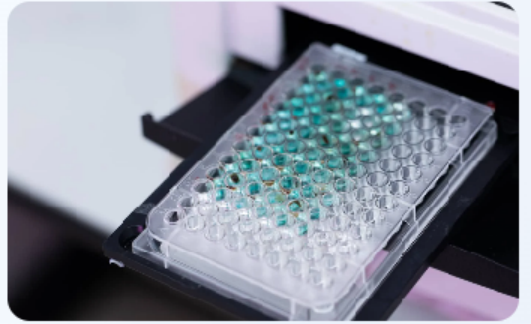
Lipophilicity sits at the center of modern drug design because it influences almost every step from hit identification to clinical success. Chemists use this property to predict how a molecule moves through the body, how well it reaches its target, and how likely it is to cause side effects. Simple metrics such as logP and logD describe how a compound partitions between an organic phase and water, yet these numbers guide decisions worth millions of dollars in research. Too much lipophilicity often leads to poor solubility and toxicity. Too little usually causes weak permeability and low exposure. By understanding and controlling lipophilicity early, teams can improve ADME profiles, reduce attrition, and streamline lead optimization programs across therapeutic areas.
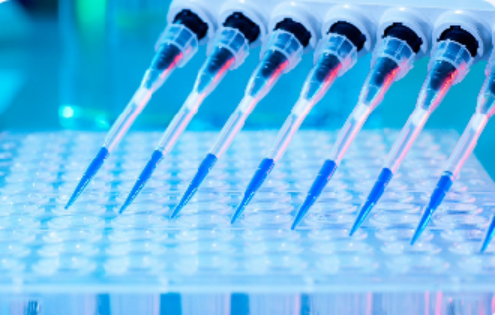
How Lipophilicity Affects ADME Properties
Drug Absorption and Membrane Permeability
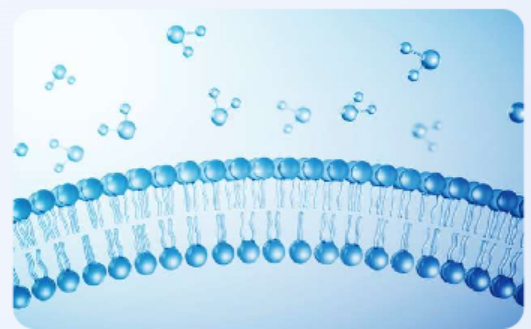
Lipophilicity plays a major role in oral absorption because drugs must cross several biological membranes. Highly lipophilic molecules usually enter lipid bilayers more easily, which can improve passive permeability across the intestinal wall. However, if lipophilicity becomes excessive, compounds tend to precipitate in the gastrointestinal tract, show poor dissolution, and exhibit erratic exposure. On the other hand, very hydrophilic molecules stay mainly in the aqueous phase and may struggle to pass through cell membranes without active transport. Medicinal chemists therefore aim for an optimal lipophilicity window where solubility and permeability remain balanced. They often use logP or pH‑dependent logD values together with permeability assays such as Caco‑2 or PAMPA. This combined approach helps predict human oral bioavailability and guides structural modifications.
Distribution, Metabolism, and Toxicity
Once a drug enters systemic circulation, lipophilicity controls how it distributes between tissues, binds to plasma proteins, and interacts with metabolic enzymes. Highly lipophilic compounds often show large volumes of distribution and strong binding to fatty tissues, which can prolong half‑life but also cause accumulation. They frequently undergo extensive metabolism by CYP enzymes in the liver, leading to complex metabolite profiles and variable exposure. In contrast, low‑lipophilicity molecules may clear rapidly through the kidneys and display short half‑lives. Lipophilicity also influences toxicity risks, particularly off‑target binding, hERG channel inhibition, and idiosyncratic liver injury. Compounds with high lipophilicity and high aromaticity often show higher attrition rates. By tuning lipophilicity, teams can optimize distribution, manage clearance, and mitigate safety liabilities earlier.
Common Methods to Measure Lipophilicity
Traditional Testing Methods
The classic way to measure lipophilicity relies on the shake‑flask partition experiment between n‑octanol and water. Scientists equilibrate the compound between both phases, then determine concentrations and calculate logP. This method provides accurate data but is slow and labor‑intensive, which limits its use during high‑throughput optimization. To estimate pH‑dependent behavior, researchers adjust the aqueous phase and report logD values that better reflect ionization in vivo. Computational tools offer faster predictions by combining fragment constants, substituent corrections, and machine learning models trained on large datasets. However, predictive accuracy varies with chemical space, so experimental confirmation remains essential. Many discovery teams therefore use calculated logP to triage ideas, then apply selective experimental measurements to confirm key decisions.
RP-HPLC for Rapid Lipophilicity Evaluation
Reversed‑phase high‑performance liquid chromatography (RP‑HPLC) offers a fast, automatable alternative for lipophilicity assessment. In this method, a compound passes through a hydrophobic stationary phase with an aqueous‑organic mobile phase. Retention time correlates with hydrophobic interactions and therefore with lipophilicity. By calibrating the system using standards with known logP, scientists convert capacity factors into chromatographic hydrophobicity indices. This approach delivers high throughput, good reproducibility, and compatibility with diverse structures, including ionizable and unstable compounds. RP‑HPLC also allows quick profiling across different pH conditions to mimic physiological environments. Many discovery laboratories integrate HPLC‑based lipophilicity measurements with parallel solubility and permeability assays, which provides richer ADME data and supports rapid, data‑driven lead optimization decisions.
Challenges and Optimization Strategies in Drug Design
Risks of High or Low Lipophilicity
Both extremes of lipophilicity create serious development risks. Highly lipophilic compounds often suffer from low aqueous solubility, poor formulation options, and variable bioavailability. They tend to show high plasma protein binding, extensive metabolism, and a higher chance of off‑target interactions, including hERG inhibition and central nervous system side effects. These factors can lead to narrow safety margins and clinical failure. In contrast, very hydrophilic molecules may show weak permeability, poor brain penetration, and fast renal clearance, which reduce systemic exposure and efficacy. They can also face challenges with oral absorption if transporters do not compensate for low passive diffusion. Understanding these trade‑offs helps medicinal chemists avoid unproductive regions of chemical space and focus on balanced, developable candidates.
Strategies to Balance Lipophilicity
To optimize lipophilicity, chemists adjust both global and local molecular features. Reducing aromatic ring count, introducing heteroatoms, or adding polar functional groups can lower logP and improve solubility without sacrificing potency. Conversely, adding small hydrophobic fragments or optimizing alkyl substituents can increase lipophilicity and boost permeability when exposure is too low. Careful control of ionizable groups, pKa, and intramolecular hydrogen bonding allows fine‑tuning of effective lipophilicity at physiological pH. Many teams track lipophilic efficiency metrics, such as lipE and LLE, which relate potency to logP and help reward selective, efficient binding rather than raw hydrophobicity. Iterative design cycles that integrate measured logD, solubility, clearance, and safety data provide the most reliable path to balanced drug candidates.
Conclusion
Lipophilicity acts as a central design lever that shapes ADME properties, safety, and ultimately clinical success. By quantifying this property with logP, logD, and chromatographic methods, discovery teams can predict how compounds behave in complex biological systems. Too much lipophilicity increases the risk of poor solubility, high clearance, and toxicity. Too little can undermine permeability, exposure, and target engagement. Effective drug discovery programs therefore treat lipophilicity as a controllable variable, not a fixed characteristic. Through systematic structural changes, careful monitoring of physicochemical parameters, and integration of in vitro and in silico tools, scientists can move compounds into a favorable lipophilicity window and improve the odds of delivering safe, effective medicines.