Drug metabolism and pharmacokinetics (DMPK) services help researchers understand how a drug behaves in the body. These studies track absorption, distribution, metabolism, and excretion (ADME), and they explain why some compounds succeed while others fail. Pharma and biotech teams use DMPK data to design safer, more effective molecules and to de‑risk decisions before clinical trials. Providers offer a broad portfolio, from early in vitro screens to complex in vivo studies and regulatory‑ready reports. Together, these services link chemistry, biology, and toxicology, and guide dose selection, formulation strategy, and risk assessment across the entire drug development pipeline.

Core DMPK Services Used Throughout Drug Development
In Vitro ADME Studies for Absorption, Metabolism, and Drug Interaction Analysis
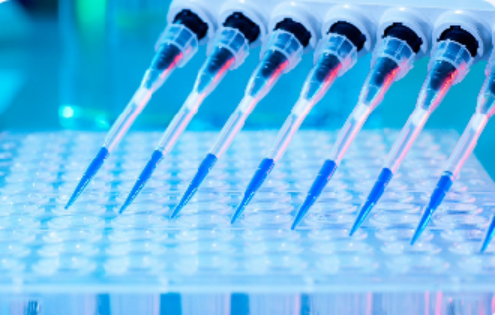
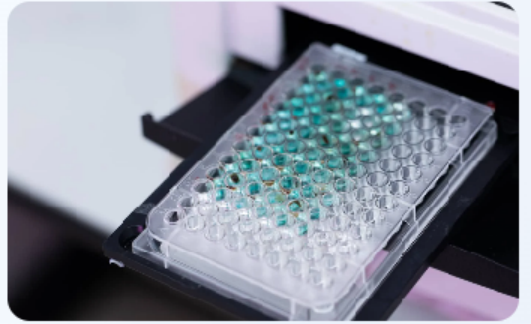
In vitro ADME studies evaluate a compound’s basic developability before costly animal or clinical work. Permeability assays, such as Caco‑2 and MDCK, predict oral absorption by measuring passive diffusion and transporter involvement. Metabolic stability tests in liver microsomes, S9 fractions, and hepatocytes determine intrinsic clearance and help rank compounds by half‑life. Enzyme phenotyping and reaction phenotyping identify which CYP450 isoforms or UGTs metabolize the drug. Inhibition and induction assays then assess drug‑drug interaction risk with common co‑medications. Plasma protein binding, blood‑to‑plasma ratios, and solubility screens further shape compound selection and medicinal chemistry optimization.
In Vivo Pharmacokinetic Studies and Bioanalytical Testing
In vivo pharmacokinetic (PK) studies measure how a drug distributes and clears in animals under real physiological conditions. Single‑ and multiple‑dose PK in rodents and non‑rodents generate parameters such as Cmax, Tmax, AUC, clearance, volume of distribution, and half‑life. These data inform exposure–response relationships and help choose routes and schedules of administration. Bioanalytical teams support PK work by developing and validating quantitative assays, typically LC‑MS/MS or ligand‑binding methods, in plasma, serum, blood, and tissues. Rigorous method validation for accuracy, precision, selectivity, and stability ensures reliable concentration data for regulatory submissions and modeling activities.
Metabolite Identification, Tissue Distribution, and Radiolabeled ADME Studies
Metabolite identification studies map biotransformation pathways and flag unique or disproportionate human metabolites that regulators may scrutinize. Scientists use high‑resolution LC‑MS to characterize phase I and phase II metabolites and to profile metabolic soft spots. Tissue distribution studies then reveal whether a drug reaches target organs or accumulates in off‑target sites such as the brain, liver, or reproductive tissues. Radiolabeled ADME studies with carbon‑14 or tritium give a complete mass balance picture, tracking total drug‑related material in excreta and tissues. These integrated services clarify elimination routes, support safety margins, and guide structural optimization or formulation adjustments.
How DMPK Services Improve Drug Safety and Clinical Success?
Predicting Drug Exposure, Toxicity, and Drug-Drug Interactions
dmpk services generate quantitative exposure data that link dose, concentration, and effect. Toxicologists combine PK parameters with safety findings to derive exposure margins and identify organs at risk. Time‑course data highlight accumulation, non‑linear kinetics, or saturation that could drive toxicity. In vitro and in vivo interaction studies evaluate inhibition or induction of key enzymes and transporters, predicting how co‑administered drugs may alter exposure. Modeling tools integrate these datasets to anticipate high‑risk scenarios in patients, including special populations. This predictive insight allows teams to refine candidates early, design safer protocols, and reduce late‑stage safety‑related trial failures.
Supporting Dose Selection and IND-Enabling Development Strategies
DMPK experts play a central role in selecting first‑in‑human and subsequent clinical doses. They scale animal clearance data to humans using allometric methods, combine them with projected human physiology, and estimate starting doses within regulatory safety limits. Exposure–response and exposure–toxicity relationships then guide the choice of dose levels, escalation steps, and dosing intervals. IND‑enabling packages rely on integrated DMPK, toxicology, and safety pharmacology data to justify proposed clinical regimens. Sponsors use these results to refine formulations, adjust routes of administration, and prioritize backup compounds, creating a robust development strategy aligned with agency expectations and clinical objectives.
Emerging Trends in Modern DMPK Services
DMPK Strategies for ADCs, PROTACs, Oligonucleotides, and Peptide Drugs
New modalities demand specialized DMPK strategies beyond traditional small‑molecule approaches. Antibody–drug conjugates (ADCs) require parallel measurement of total antibody, conjugated payload, and released toxin, along with linker stability assessments. PROTACs pose challenges due to high molecular weight, complex distribution, and event‑driven pharmacology rather than simple exposure–response. Oligonucleotides and siRNA products need tissue‑specific biodistribution and long‑term accumulation evaluations, often with hybridization‑based bioanalysis. Peptides face rapid degradation and clearance, driving the need for stability optimization and modified chemistries. DMPK providers now tailor assays, models, and species choices to these modalities to better predict human pharmacokinetics.
AI, Automation, and High-Throughput Platforms in DMPK Research
Modern DMPK laboratories increasingly apply AI, machine learning, and automation to accelerate decision‑making. High‑throughput in vitro ADME platforms can evaluate hundreds of compounds in parallel, rapidly ranking leads for permeability, stability, and interaction risk. Robotic sample handling and automated LC‑MS workflows reduce variability and turnaround time for PK and bioanalysis studies. Predictive models use historical DMPK and structural data to forecast human clearance, bioavailability, and drug‑drug interaction liability before synthesis. Integration of in silico, in vitro, and in vivo datasets supports model‑informed drug development, enabling more efficient study design and smarter compound selection across portfolios.
Conclusion
DMPK services form the backbone of rational drug development by explaining how a compound moves through and exits the body. From early in vitro ADME screens to advanced in vivo PK, metabolite profiling, and radiolabeled studies, these tools guide candidate selection and risk reduction. Integrated DMPK and toxicology insights improve drug safety predictions, refine dose strategies, and strengthen regulatory submissions. As new modalities emerge and AI‑enabled platforms expand, DMPK support continues to evolve. Sponsors that invest in robust, data‑driven DMPK programs greatly improve their chances of advancing safe, effective therapies to patients.